Relocating To Hawaii

MOVE TO PARADISE WITH PURPOSE

The complete guide to moving your life, family, and future to Oahu — cost of living, neighborhoods, schools, jobs, shipping, pets, and the local stuff no relocation packet tells you.

Watch First

Relocating to Hawaii 101

A full walkthrough of everything you're about to research — the honest version.

Families Relocated
0+
Google & Zillow Rating
0.0
Years On-Island
0+
Concierge Support
0/7
Free Download

Move to Paradise: The Relocation Playbook

Your step-by-step guide to landing in Hawaii — cost of living, shipping your car and household goods, pets, schools, jobs, and the full move timeline. Written by people who live here, not a relocation packet.
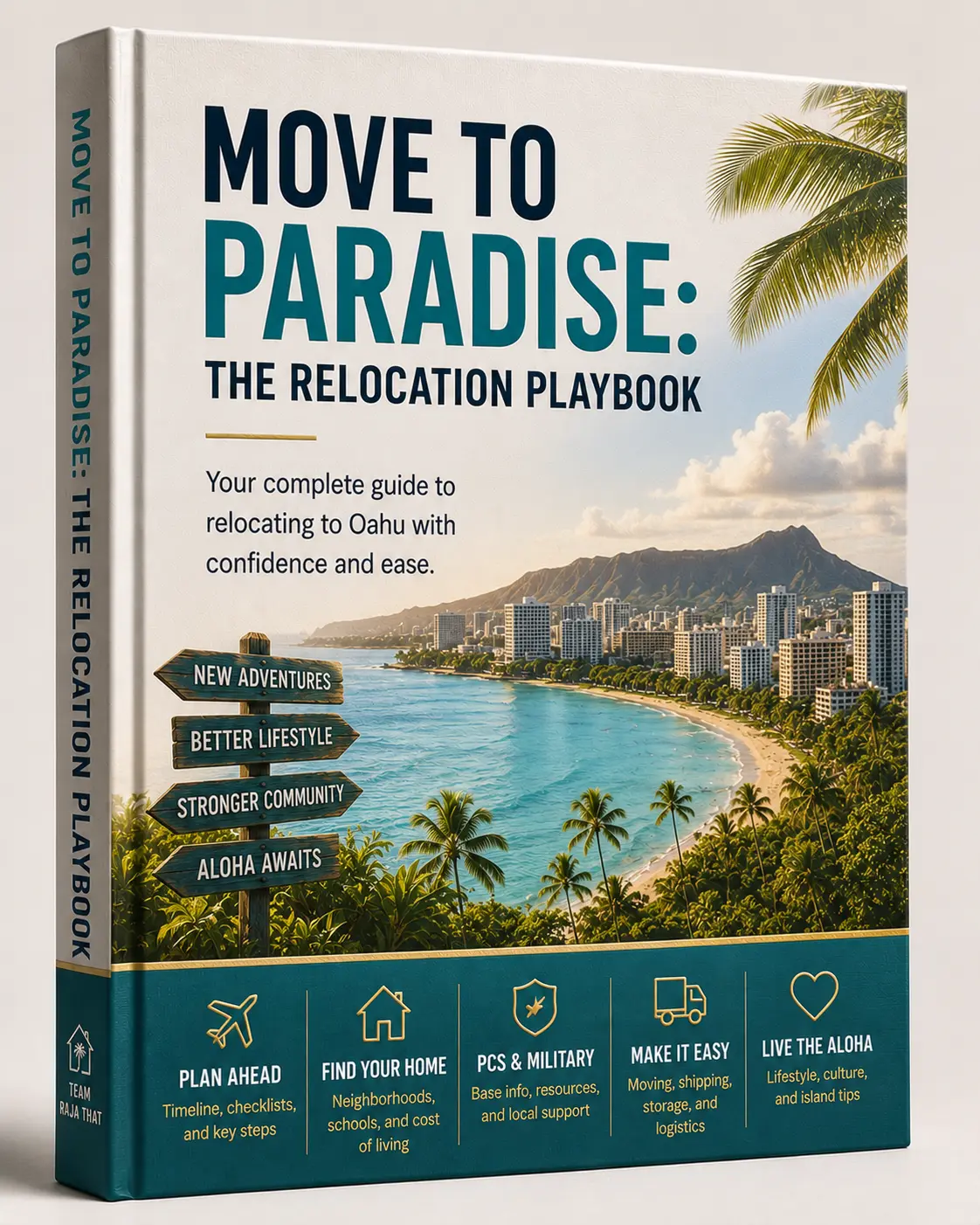
Move to Paradise: The Relocation Playbook PDF guide cover
  • Move timeline you can actually follow
  • Real cost-of-living numbers by category
  • Neighborhood picker by lifestyle + budget
  • Pet protocol + shipping checklist
  • Vendor list: movers, lenders, inspectors, vets
Get the Guide

No spam. Unsubscribe anytime.

Why People Move Here

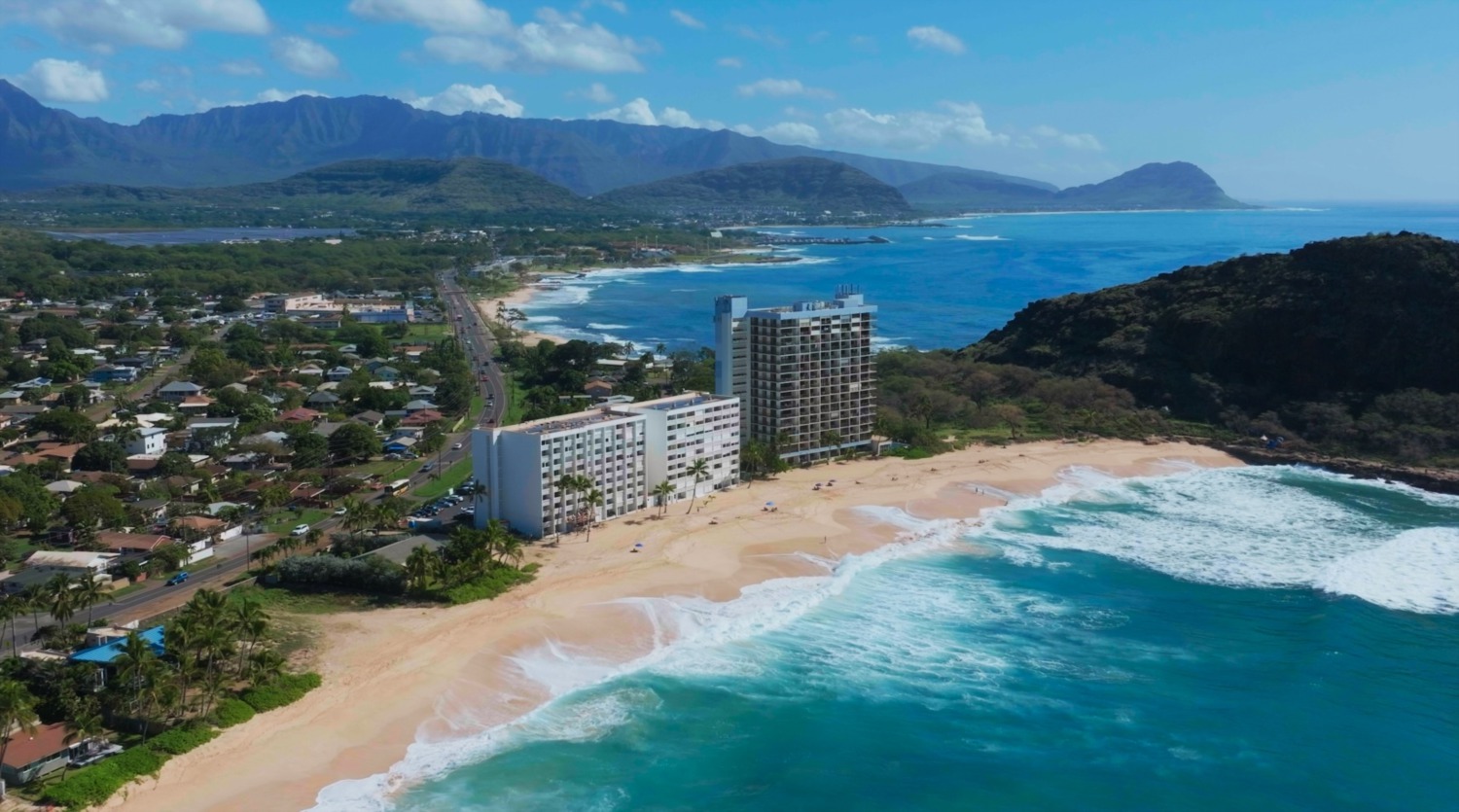
Ocean Every Day

Surf, dive, paddle, fish. Even a 30-minute lunch break gets you wet.

365 Day Weather

70s–80s year-round. Two seasons: warm and slightly warmer.

Aloha & Ohana

Neighbors bring papaya. Kids run barefoot. The community is real.

Adventure at Every Corner

Waterfalls, ridge hikes, tide pools, food trucks — the island is the amenity.

Your Relocation Timeline

From "we're thinking about it" to "we live here." Here's the runway that keeps a Hawaii move from going sideways.

00

Connect With Us

Book a discovery call. We map your timeline, budget, must-haves, and the island logistics you haven't thought of yet.

01

90 Days Out — Research

Narrow neighborhoods, schools, and lifestyle fit. Get pre-approved with a Hawaii-savvy lender. Start decluttering.

02

60 Days Out — Logistics

Book Matson for your vehicle, choose a mover, arrange pet travel, and lock in temporary housing if you need a landing pad.

03

30 Days Out — Paperwork

Transfer utilities, notify schools, update licenses/insurance, and confirm your closing or lease start date.

04

Move Week — Boots on the Ground

We meet you at the airport rental counter (figuratively). Keys, walkthrough, Costco run, beach cheat sheet — done.

05

First 90 Days — Settle In

DMV, doctors, gym, surf spot, favorite plate lunch. We stay plugged in long after closing.

The Real Cost of Living

No sugarcoating. Here's what your budget needs to plan for.

Housing

Median single-family on Oahu ~ $1.1M. Townhomes/condos from the mid $400s. Rentals $2,800–$6,500+.

Groceries

Roughly 40–60% higher than the mainland. Costco, Foodland, and farmers markets are your best friends.

Transportation

Gas ~$1 more/gal than mainland. Shipping a car via Matson $1,700–$2,000 one-way.

Utilities

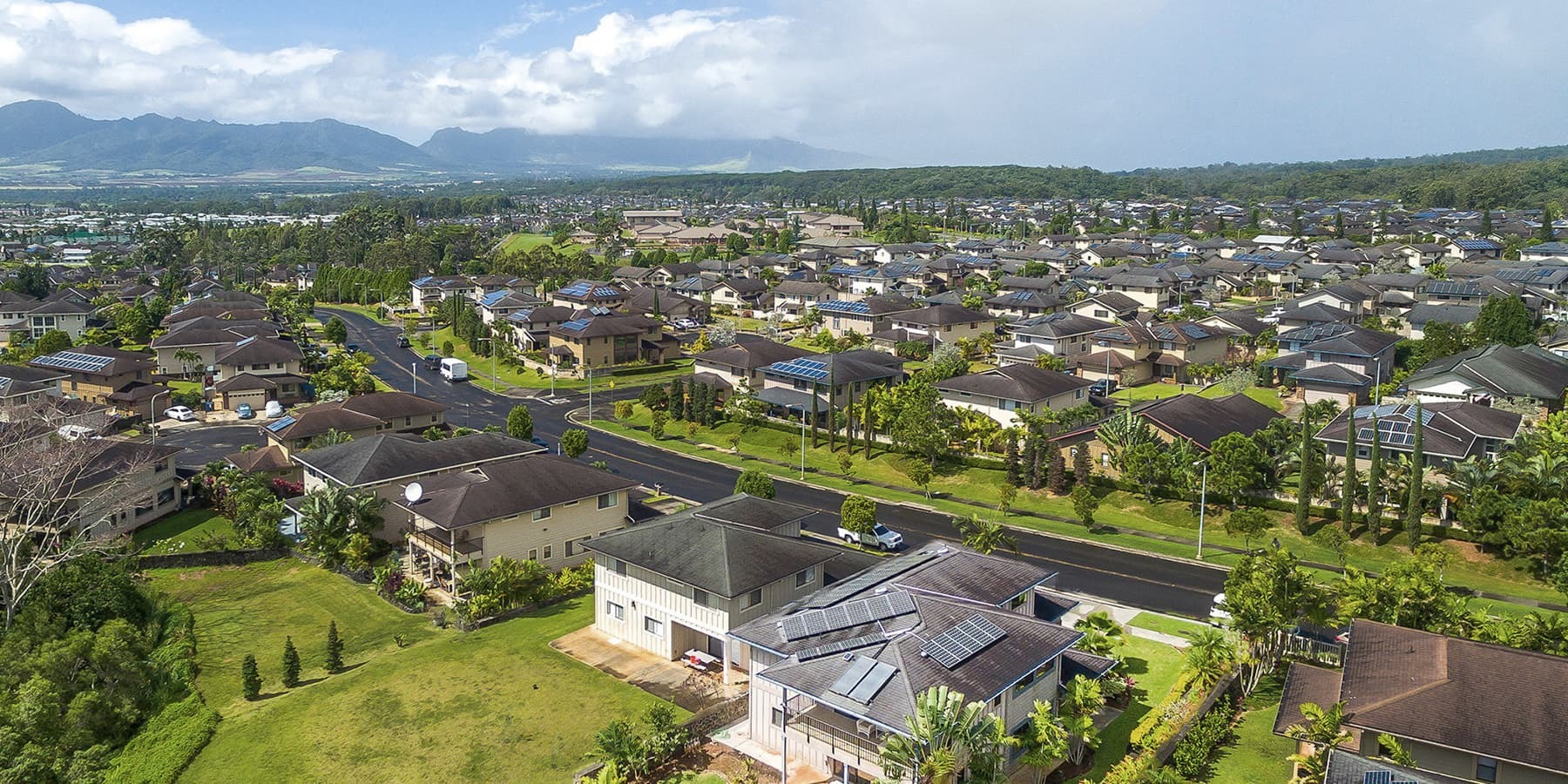
Electricity is the priciest in the US. Solar-powered homes cut bills dramatically — ask us which listings have it.

Healthcare

HMSA and Kaiser dominate. Employer coverage is strong thanks to the Hawaii Prepaid Health Care Act.

Dining Out

Plate lunch $12–$16. Sit-down dinner for two $80–$140. Happy hour is a lifestyle.

Live Inventory

Homes for Sale in Oahu

Direct MLS feed for Oahu — updated every 15 minutes.

The Move Checklist

The four boxes every relocation has to check. Miss one and the whole thing wobbles.

Documents

  • Driver's license transfer (30 days)
  • Vehicle registration + safety check
  • Voter registration
  • Update address with IRS + banks

Shipping

  • Matson or Pasha for vehicles
  • HHG movers (military or civilian)
  • Air freight for essentials
  • Costco delivery scheduling

Pets

  • 5 Day Or Less rabies program
  • Microchip + FAVN blood test
  • Direct flights to HNL preferred
  • In-cabin under 20 lbs on some carriers

Schools

  • Public school by district (GreatSchools)
  • Punahou, Iolani, Le Jardin (private)
  • DOE geographic exceptions available
  • Homeschool + charter options strong

Working in Hawaii

If you're bringing your job — great. If you're job hunting — here's where the paychecks are.

Government & Military

Federal civilian roles on-base, DOD contractors, and state government are the largest employers.

Healthcare

Queen's, Kaiser, and HPH are always hiring nurses, techs, and providers.

Tourism & Hospitality

Hotels, F&B, and experience-based businesses employ 20%+ of the workforce.

Remote-First

Tech, marketing, finance — bring your mainland salary and live the island life.

Video Library

Relocating to Hawaii — On Video

Every question you're about to Google, answered by someone who lives here.

Best Neighborhoods To Live In Oahu
Moving To Hawaii With Pets Loophole
14 Things To Know Before You Buy In Hawaii
6 Big Mistakes To Avoid When Relocating To Hawaii
5 Most Affordable Areas In Oahu
Moving To Hawaii With A Family — Pros & Cons
FAQ

Frequently Asked Questions About Relocating to Hawaii

For many people, absolutely. Hawaii offers an incredible lifestyle with year-round warm weather, beautiful beaches, outdoor recreation, and a strong sense of community. However, it's important to understand the higher cost of living, island lifestyle, and unique housing market before making the move.
Each island offers a different lifestyle. • Oahu — Best for jobs, military, shopping, nightlife, restaurants, and city living. • Maui — Slower pace with beautiful beaches and luxury communities. • Kauai — Quiet, lush, and ideal for those seeking a relaxed lifestyle. • Big Island — More affordable housing, diverse climates, and plenty of open space. Most people relocating for work or military assignments choose Oahu.
Hawaii has one of the highest costs of living in the United States. Housing, utilities, groceries, and electricity typically cost more than on the mainland. However, many residents find the lifestyle and quality of life worth the additional expense.
The answer depends on your lifestyle, family size, and housing costs. Many families relocating to Oahu create a budget before moving to better understand monthly expenses such as housing, transportation, food, childcare, and utilities.
It depends on your timeline. If you're planning to stay for several years, buying can often make financial sense. If you're unsure how long you'll remain in Hawaii, renting first may allow you to explore different neighborhoods before purchasing.
Yes. Many buyers purchase homes remotely through virtual tours, video walkthroughs, digital signatures, and local representation. This is especially common for military families relocating under PCS orders.
Ideally, begin planning 60–90 days before your move. This provides time to arrange shipping, secure housing, coordinate financing if purchasing, and prepare for your arrival.
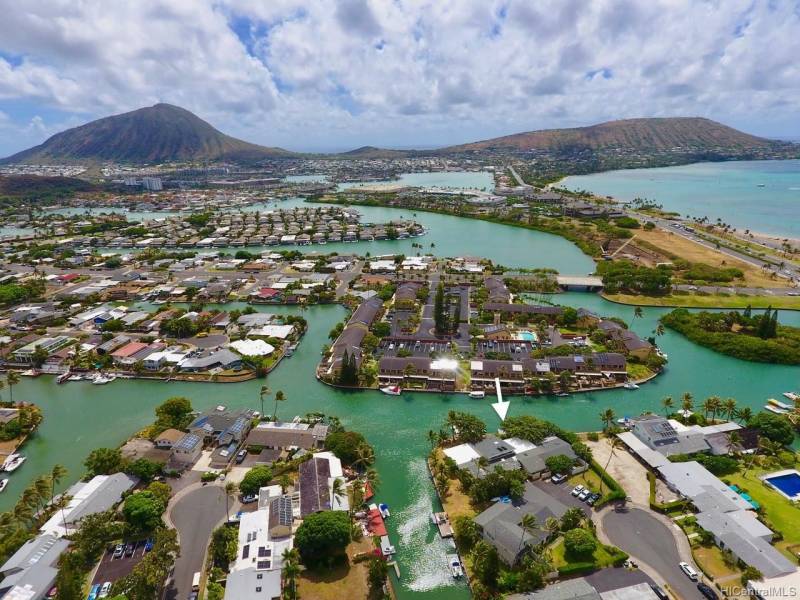
It depends on your lifestyle and priorities. • Kailua – Beach town with a laid-back atmosphere. • Mililani – Family-friendly with cooler temperatures. • Kapolei – Newer communities and growing amenities. • Ewa Beach – Popular with military families and newer homes. • Hawaii Kai – Waterfront living with marina communities. • Kakaako – Luxury condos, restaurants, and walkable urban lifestyle. • Kaneohe – Lush landscapes with mountain views. • North Shore – Surf culture and country living. Each community offers a unique lifestyle.
Many families love raising children in Hawaii because of the outdoor lifestyle, strong community values, year-round activities, and easy access to beaches, parks, and nature.
For most residents on Oahu, yes. While public transportation is available, having your own vehicle makes commuting, shopping, and exploring the island much more convenient.
Most people ship their vehicle from a West Coast port using an auto transport company. Shipping generally takes one to three weeks depending on your departure location and shipping schedule.
This depends on the value of your furniture and whether your employer or military relocation covers shipping costs. Many people bring their furniture, while others sell larger items and purchase new furnishings after arriving.
Yes. Most populated areas have access to high-speed internet suitable for remote work, video conferencing, and streaming.
Absolutely. Many professionals work remotely while living in Hawaii. Be sure to verify internet availability if you're considering more rural communities.
Oahu enjoys warm temperatures throughout the year. Different parts of the island have unique microclimates, meaning one neighborhood may be sunny while another experiences rain just a few miles away.
Not always. Many older homes rely on trade winds and ceiling fans rather than central air conditioning. Newer homes and many condominiums may include split-system or central AC.
Yes. Hawaii homes are designed for a tropical climate and often feature concrete block construction, jalousie windows, lanais, and materials selected to withstand humidity, salt air, and trade winds.
Termites are common throughout Hawaii due to the tropical climate. Regular inspections and preventative maintenance are a normal part of homeownership.
Many condos and townhomes have monthly maintenance fees that cover items such as exterior maintenance, insurance, water, sewer, amenities, and reserve funding. Fees vary significantly by property.
Not every property requires flood insurance. Whether it's required depends on the property's flood zone, lender requirements, and individual circumstances.
Hurricanes are relatively uncommon, but they do occur. Most homeowners prepare by maintaining emergency supplies and ensuring they have appropriate insurance coverage.
Most purchases close within 30–45 days, although timelines vary depending on financing, inspections, appraisals, and escrow.
Yes. There are no residency requirements to purchase real estate in Hawaii. Buyers from all over the United States and around the world own property throughout the islands.
Yes. Hawaii has one of the largest military communities in the country, and VA loans are one of the most popular financing options for eligible service members and veterans.
Many newcomers are surprised by: • The higher cost of groceries and electricity • Traffic during peak commuting hours on Oahu • Microclimates that change weather dramatically across the island • HOA and maintenance fees on many properties • Slower pace of life compared to many mainland cities • Limited inventory in certain neighborhoods Understanding these differences ahead of time helps make the transition much smoother.
Hawaii's real estate market has unique factors that many mainland buyers haven't encountered, including leasehold properties, hurricane insurance, maintenance fees, special assessments, flood zones, lava zones (on certain islands), and condominium document reviews. Working with a local real estate expert can help you avoid costly surprises.
We specialize in helping individuals, families, military members, and mainland buyers relocate to Hawaii. From virtual home tours and neighborhood guidance to financing resources and local recommendations, we'll help make your move as smooth and stress-free as possible.

Let's Plan Your Move

One call. We'll map your timeline, your budget, and the moving pieces — from Matson to move-in day.